

Memory and recall
Agent Brain
Self-hosted shared memory, semantic cache, and governance for Claude, Codex, Cursor, Gemini, Aider, and custom agents.
Connected products for real AI-assisted development and creative work: capture notes by voice, persist project memory, route tasks across agents, operate from a purpose-built terminal, and produce polished media.
What this site is selling
Not vague AI optimism. A suite built around real developer pain: lost context, fragmented tools, weak verification, and terminals that were never designed for assisted implementation.
wispr.capture("ship the harness rollout notes")
brain.remember(decision)
harness.assign(workerTask)
terminal.run(verification)

// fewer broken handoffs, fewer lost decisionsRelease status
Agent Software Suite products are live across development, creative production, and media workflows. The suite is local-first in how it works, but account access and sign-in still depend on an internet connection.
See it in action
See voice capture, project memory, and bounded task delegation working together in one session.
Products
Some teams need shared memory first. Others need faster note capture, cleaner multi-agent execution, or a terminal that can keep up with how they actually work. The suite is strongest together, but each product is meant to solve a separate, expensive failure mode.
Buy the product that removes today's friction. Add the others when the workflow around it becomes the next constraint.
DeepSeek Harness integration
DeepSeek Harness provides the local, composable runtime. Agent Harness sits above it as the planning, routing, approval, and verification layer. The free dsh-agent-harness plugin connects the two so bounded coding work can use your own local models without giving up evidence or operator control.
Run it offline with your DSH configuration, choose local or cloud providers per task, and keep the same verification contract as the rest of the suite.
dsh plugin --profile local add \
  github:agentsoftwaresuite/dsh-agent-harness#v0.1.0

harness route task \
  --worker dsh --verify

# local provider, shared evidence
How it fits
Wispr captures the thought, Brain supplies the context, Harness performs bounded and verified work, and Terminal keeps the human in the loop across the whole handoff. The result is a workflow where intent, memory, execution, and evidence can move together instead of being rebuilt at every tool boundary.
Agent Wispr
Speak a bug report, implementation idea, decision, or task handoff. Wispr turns it into usable text locally so the thought can move straight into the development loop instead of getting lost in a scratchpad.
Agent Brain
Brain searches durable project memory, semantic cache entries, and learned execution patterns, then gives Terminal and connected agents the relevant context without stuffing every past session into the prompt.
Agent Harness
Harness routes a focused task to a worker, keeps the scope and expected result explicit, applies policy, runs verification, and reports the run status instead of treating a worker's confidence as proof.
Agent Terminal
Terminal is the bridge: it receives the composer draft, asks Brain for reusable answers and rewrite suggestions, runs the pre-send guard, launches bounded Harness work, tracks the result, and writes useful execution outcomes back to Brain.
Operating posture
This is not a fake privacy pitch. The suite now requires account access, but the working core still prioritizes local models, local context, and self-hosted control over the parts that shape day-to-day development.
Brain, Harness, and Terminal are designed around running close to your machine and your repo, so the default workflow is not "send everything to somebody else's dashboard."
The suite now requires sign-in, so it is not a fully offline product. The actual coding workflow still centers on local models, local storage, and your own development environment.
Agent Brain stores long-lived context in infrastructure you control, so recall, retention, and deletion are decisions you make instead of defaults inherited from a hosted assistant.
Sign in once and move across Brain, Terminal, and Harness without re-authenticating on every hop. Credentials live in the OS keychain rather than in random local files.
Pricing
Start with one product
Best when the pain is specific: Brain for context loss, Wispr for capture, Harness for agent coordination, Terminal for daily execution flow.
This is the right choice when one bottleneck is obviously more expensive than the others.
All-Access Pass
Best when the work already crosses product boundaries every day: speak notes, preserve decisions, dispatch work, verify the result, and keep the whole loop inside one connected stack.
If your team is already stitching these capabilities together manually, the suite price is usually cheaper than the drag.
Updates
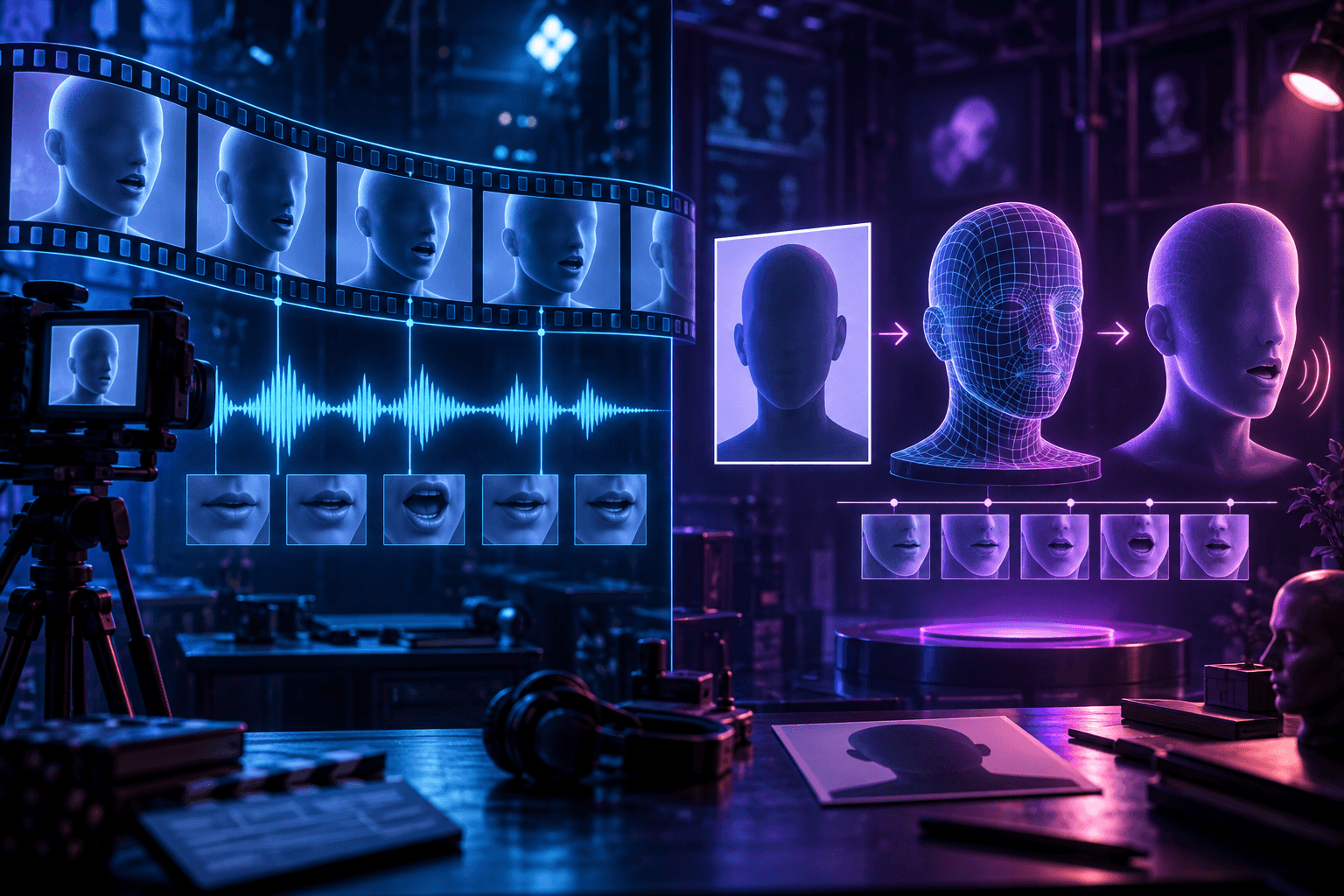
A talking video source and a single photo need genuinely different techniques to animate convincingly.
By Agent Software

Four products live, three more in development — here's an honest snapshot of where things actually stand.
By Agent Software
Affiliate Program
Refer paying builders and earn 30% on every invoice they pay for the next 12 months.
30%
Commission
12 invoices
Window
60 days
Cookie
Join Discord, browse product docs, or follow the feed for release notes and readiness updates.
Yes. The All-Access Pass covers all seven Agent Software Suite products under one subscription. Individual product plans are also available — see current pricing on the Pricing page.
All Agent Software Suite products are live and available through their dedicated product surfaces.
This site is the hub, not the dumping ground. It should point you to the right product docs quickly, while deeper implementation details stay on the product-specific sites.
Use the blog when you want the reasoning, Discord when you want the fast signal, and the RSS or JSON feeds when you want to track shipping changes without checking the site manually.


