2 min read
Launch sale: 50% off every product, site-wide
50% off Brain, Wispr, Harness, Terminal, and the All-Access bundle, applied automatically at checkout for a limited time.
By Agent Software
News and updates
Product notes, release-readiness updates, docs changes, and staged commerce announcements for the suite.
50% off Brain, Wispr, Harness, Terminal, and the All-Access bundle, applied automatically at checkout for a limited time.
By Agent Software

Offload coding tasks to cheaper or free local models running on your own machine, and cloud tokens stop burning on work your hardware can already handle.
By Agent Software
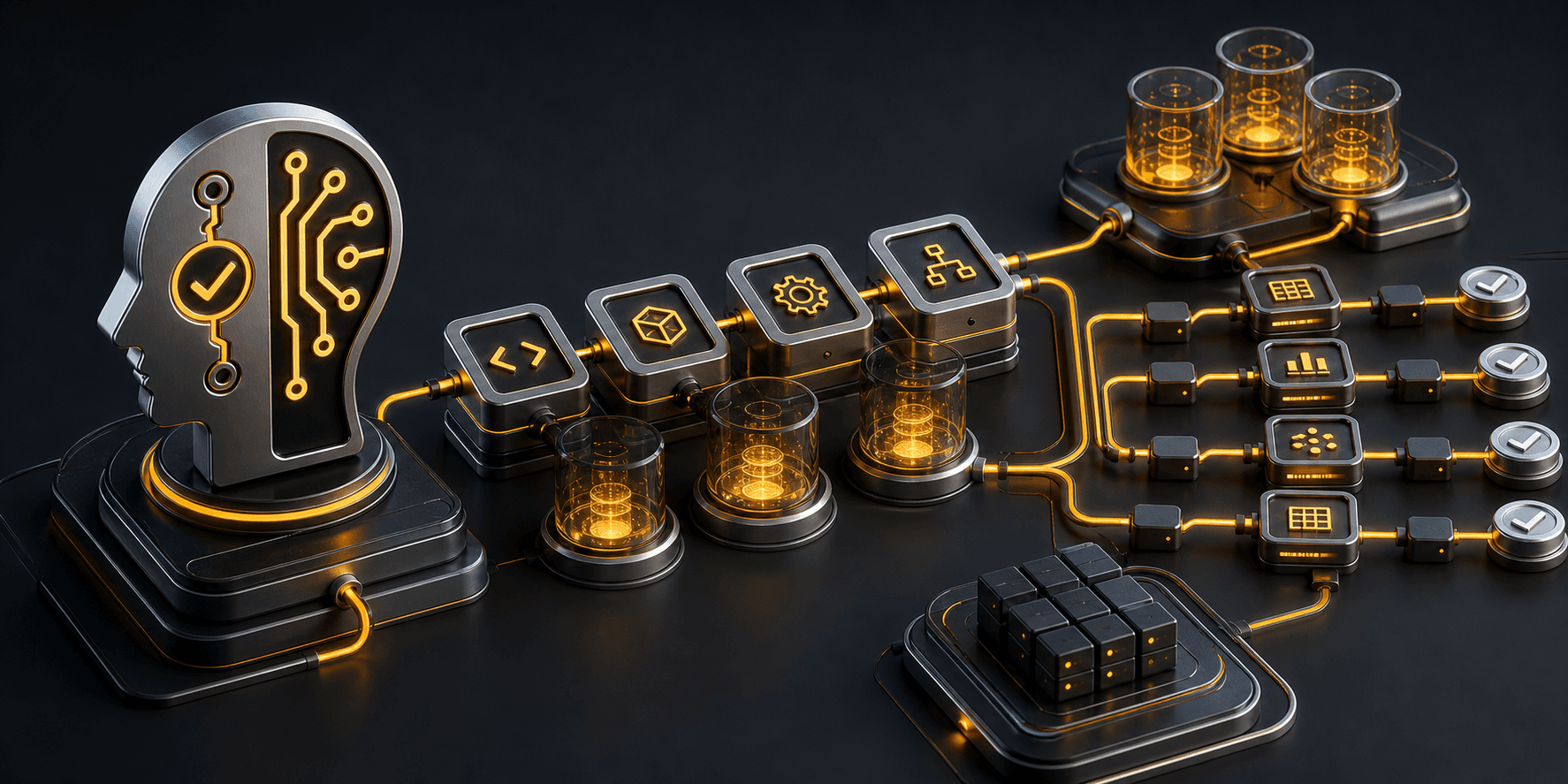
Agent Harness can still run bounded tasks out of the box, but the more accurate description is a platform for building your own harness and finding out which models actually deserve your trust.
By Agent Software

The most useful lesson from the eight-week run was that technical trust comes from clarity and honest limits more than from louder claims.
By Agent Software
The future of AI coding looks less like one perfect agent and more like a stack of infrastructure layers that make agents usable.
By Agent Software
This is the current product-state view: what is live, what is in development, and what should not be overstated yet.
By Agent Software
Monoliths promise simplicity, but modular tools usually match how engineering teams actually adopt new workflow infrastructure.
By Agent Software
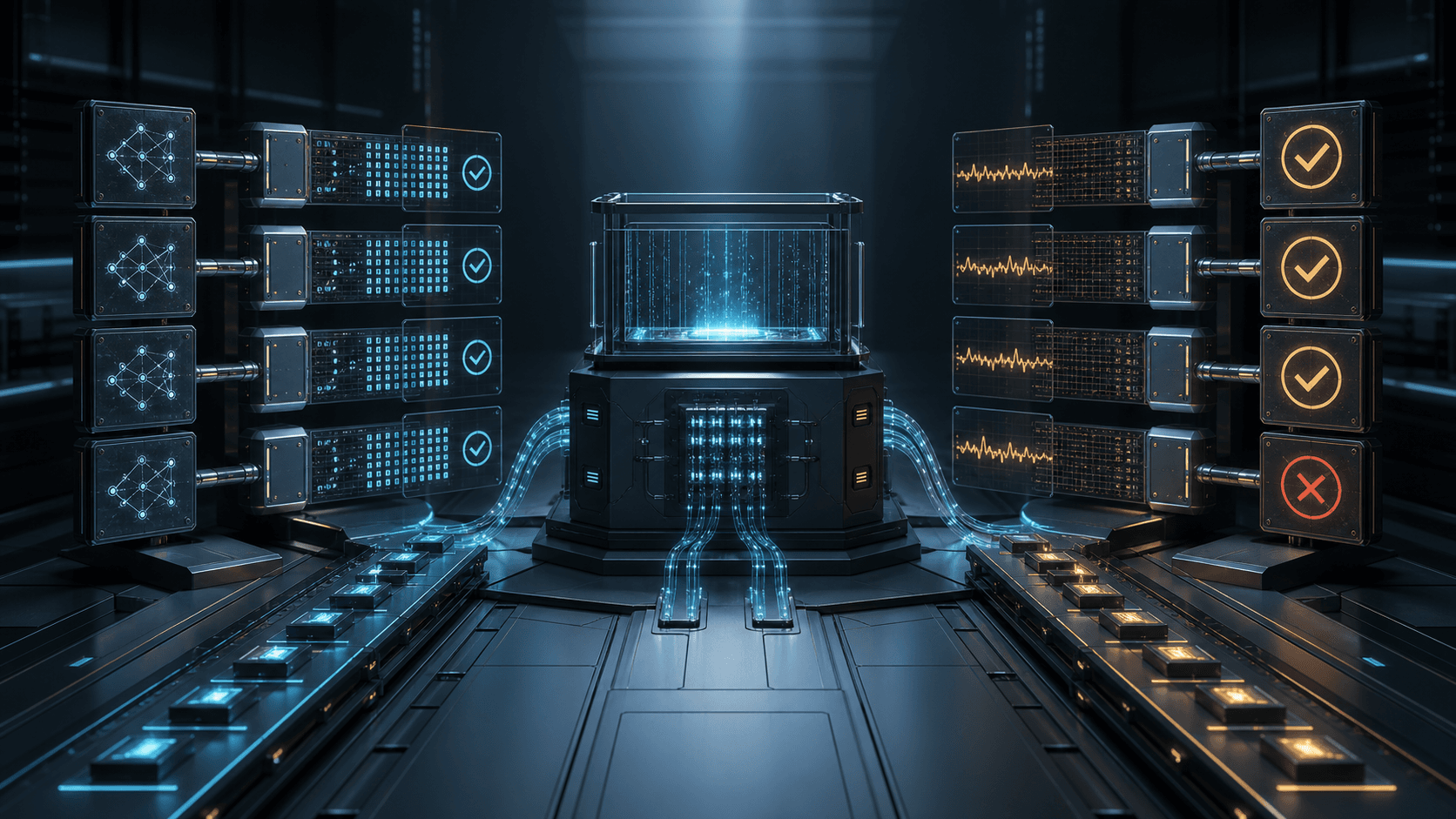
The right evaluation target is the workflow across tools, not the most flattering single-agent moment.
By Agent Software
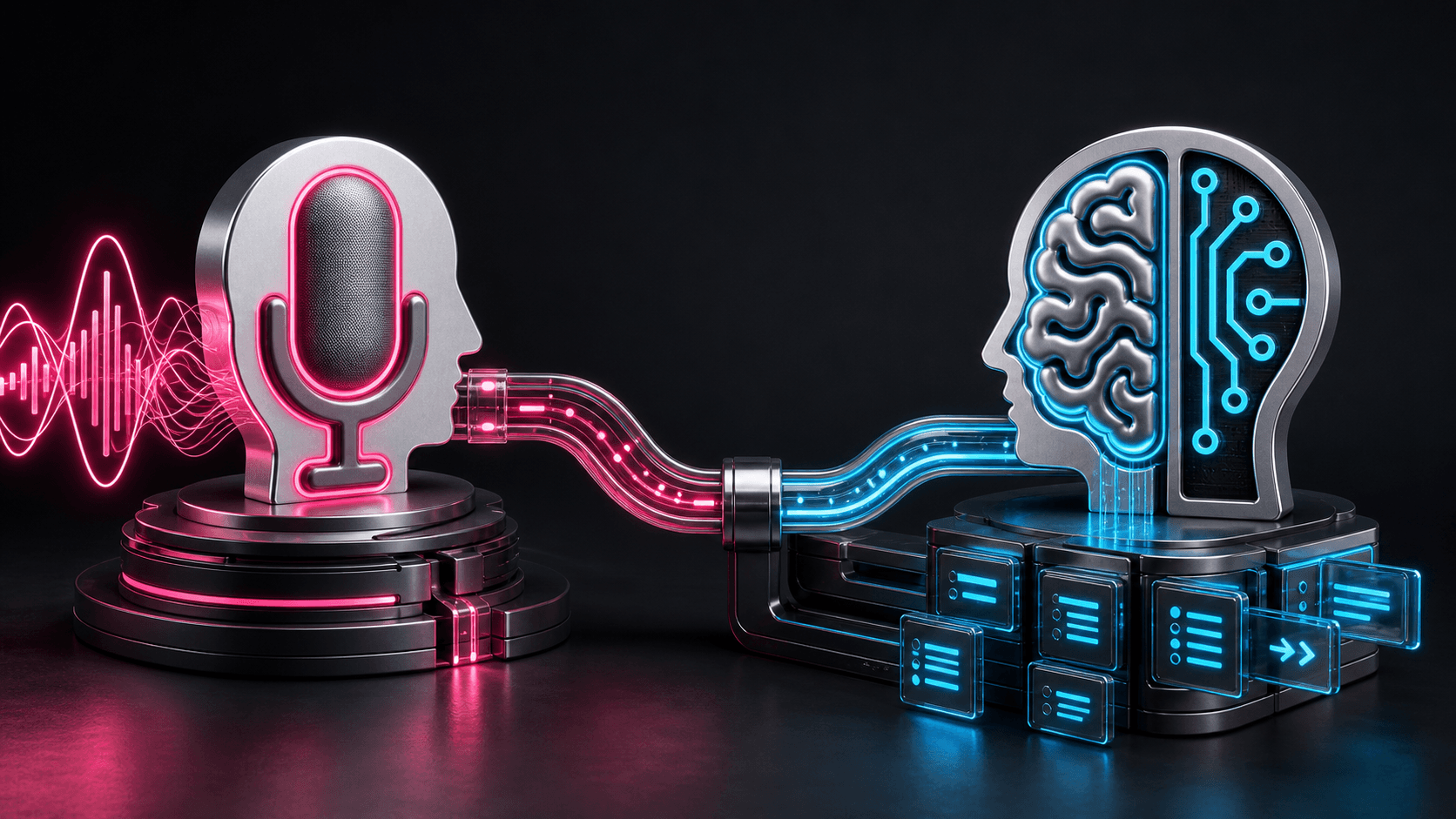
Fast input becomes more valuable when it does not disappear. That is the practical link between Wispr and Brain.
By Agent Software
The interface problem is not cosmetic. It determines whether human oversight is practical or exhausting.
By Agent Software
MCP can improve interoperability, yet teams still need clear thinking about trust, workflow boundaries, and system behavior.
By Agent Software
Semantic caching is valuable when similar work repeats, but it becomes dangerous when superficial similarity hides changed requirements.
By Agent Software
The right argument for local models is selective advantage, not the claim that they already dominate every serious engineering task.
By Agent Software
Local-first is not only a privacy argument. It also affects responsiveness, cost control, and operational clarity in developer workflows.
By Agent Software
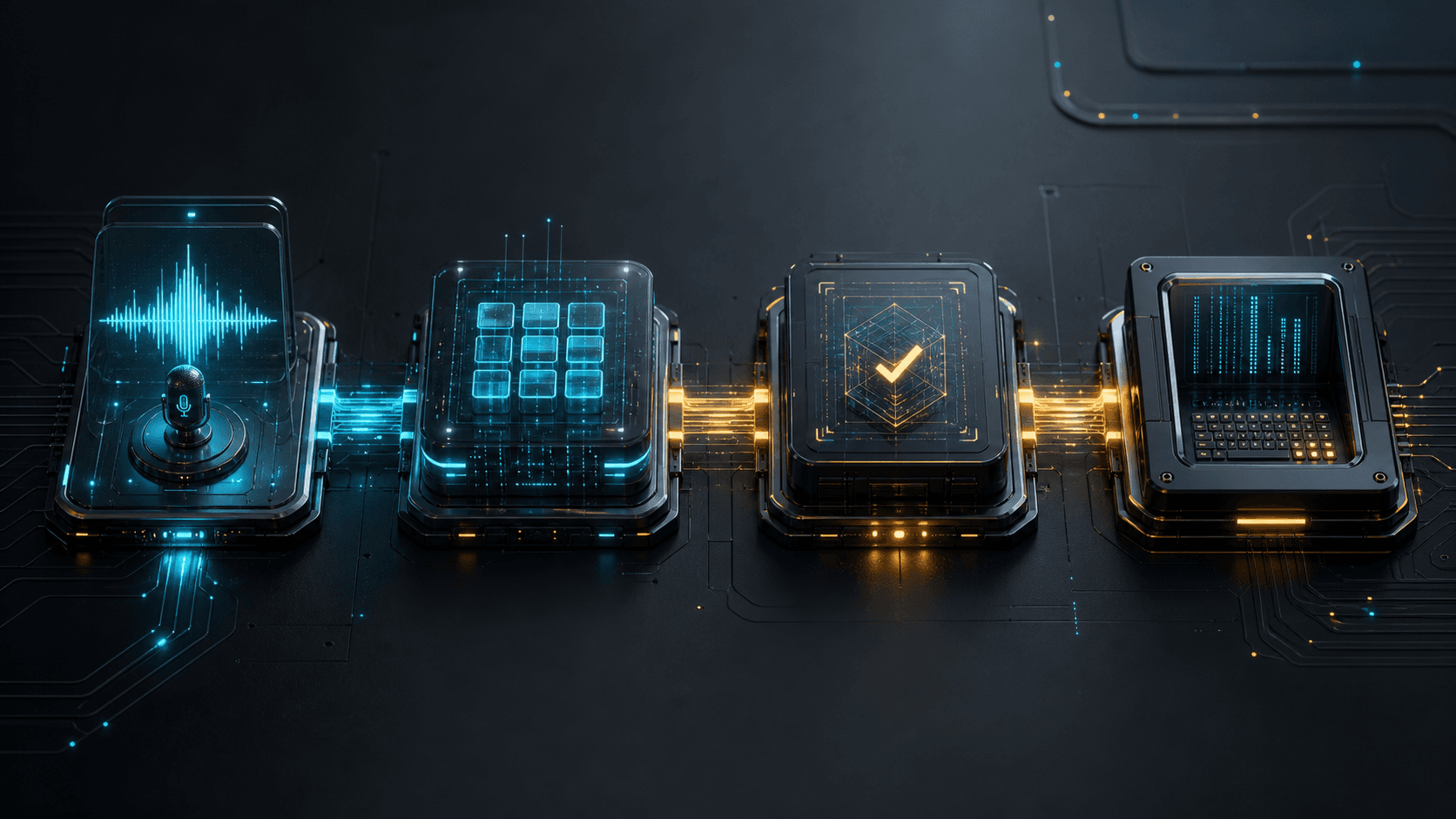
The four products are easier to understand when mapped to the actual loop: capture, remember, verify, execute.
By Agent Software
The limit is not that models are useless. The limit is that some engineering work still depends on judgment, trust, and changing context.
By Agent Software
The terminal is becoming a core agent workspace, which means speed alone is no longer enough. Context and override matter too.
By Agent Software
Agent Terminal is about giving AI-assisted execution a better workspace, not about pretending the shell should disappear.
By Agent Software
The gap between agent demos and production workflows comes from context quality, task realism, and the absence of repeatable evaluation.
By Agent Software
An effective agent eval harness needs scenario design, clear pass criteria, and enough operational realism to catch regressions that demos hide.
By Agent Software
Agent systems feel unreliable because most teams still evaluate them with memory, screenshots, and intuition rather than repeatable tests.
By Agent Software
Agent memory remains unsolved around freshness, contradiction, and trust boundaries even when retrieval quality improves.
By Agent Software
Cross-tool memory gets useful only when it distinguishes durable context from stale noise and keeps retrieval tied to real workflow needs.
By Agent Software
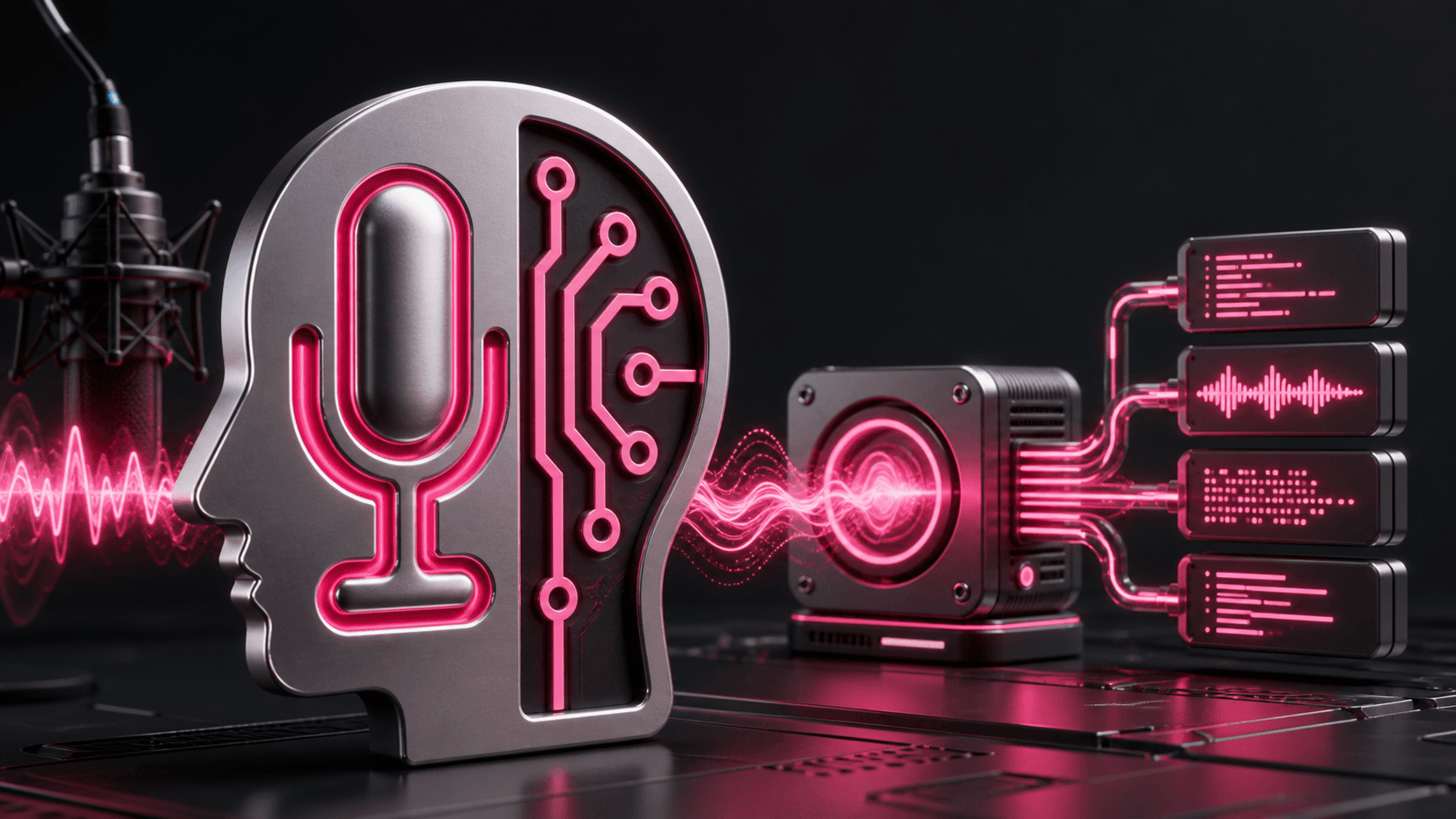
Wispr matters because voice can speed up developer workflows, but cloud transcription changes the privacy, latency, and control profile.
By Agent Software
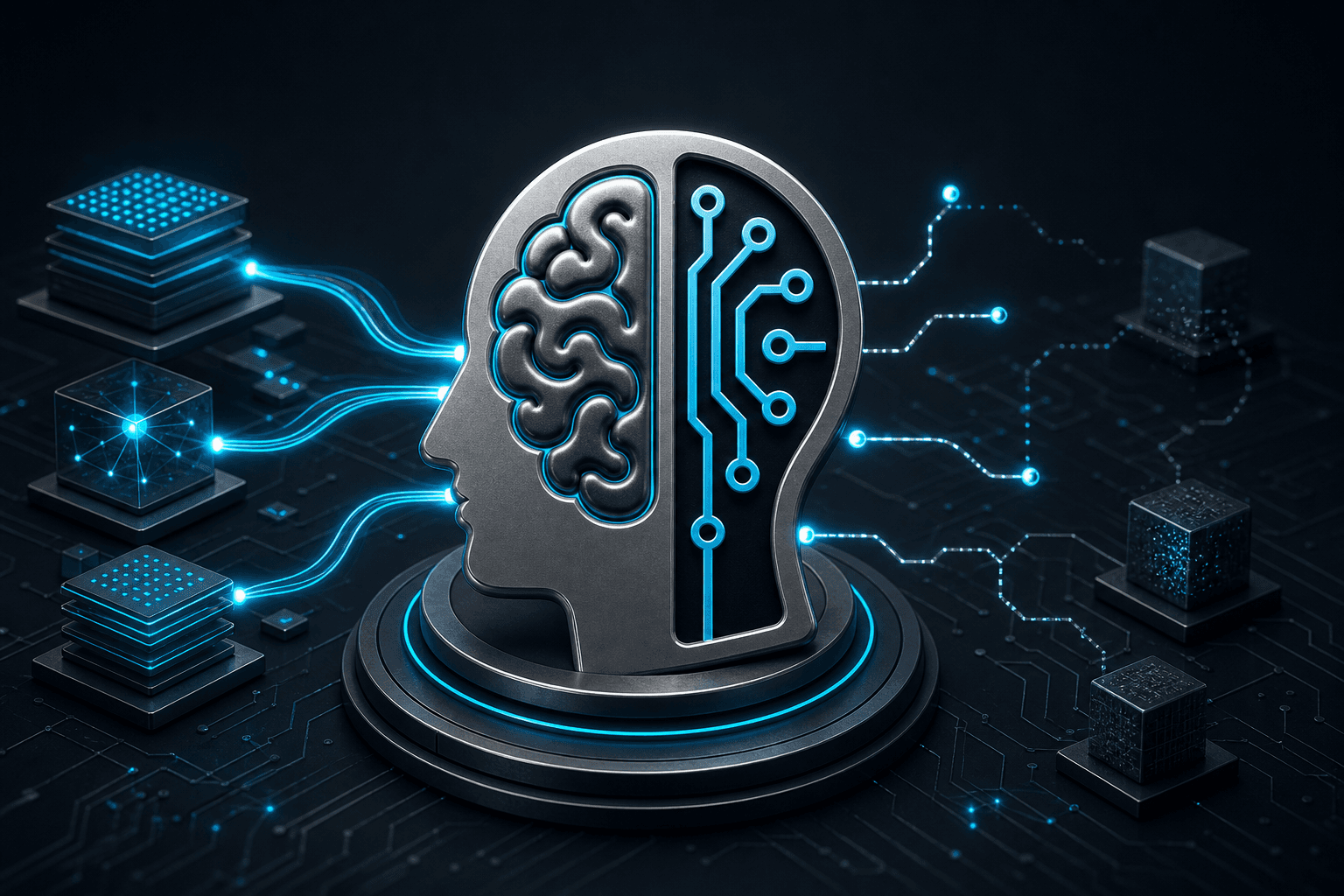
Agent Brain helps with shared memory and semantic recall, but it does not erase stale context, ambiguity, or the need for human judgment.
By Agent Software
The hard problem in AI coding is not getting one model answer. It is coordinating state across tools, time, and human decisions.
By Agent Software
The suite exists because AI-assisted development breaks down when input, memory, testing, and execution live in separate, fragile islands.
By Agent Software