
2 min read
Building an execution-memory loop: how outcomes feed back into recall
A memory layer that only stores plans, not outcomes, is missing the half of the record that actually teaches an agent anything.
By Agent Software
News and updates
Product notes, release-readiness updates, docs changes, and staged commerce announcements for the suite.
A memory layer that only stores plans, not outcomes, is missing the half of the record that actually teaches an agent anything.
By Agent Software

A bigger context window still forgets everything the moment your session ends — persistent memory is a different problem entirely.
By Agent Software

The future of AI coding looks less like one perfect agent and more like a stack of infrastructure layers that make agents usable.
By Agent Software

Fast input becomes more valuable when it does not disappear. That is the practical link between Wispr and Brain.
By Agent Software
MCP can improve interoperability, yet teams still need clear thinking about trust, workflow boundaries, and system behavior.
By Agent Software
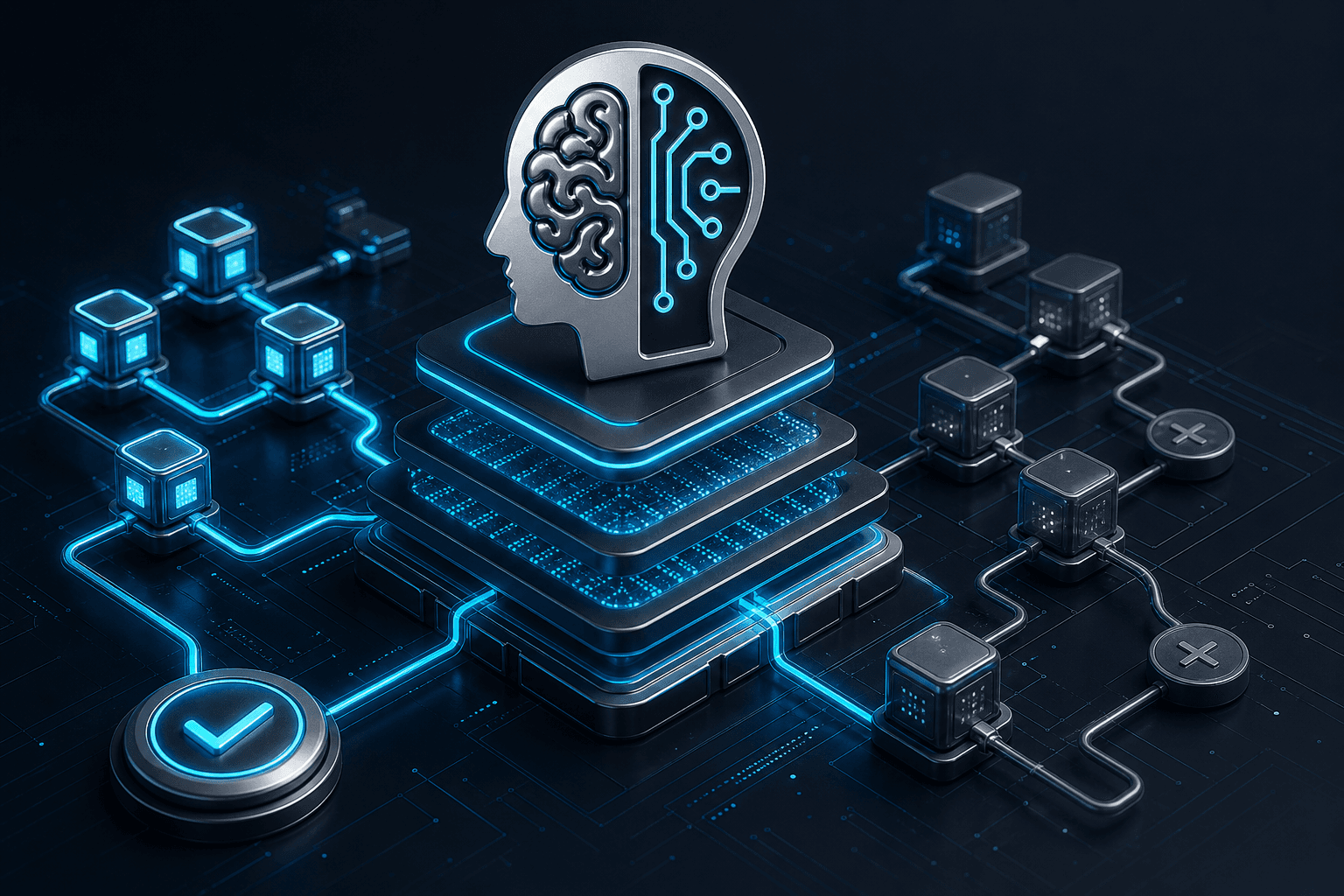
Semantic caching is valuable when similar work repeats, but it becomes dangerous when superficial similarity hides changed requirements.
By Agent Software

Agent memory remains unsolved around freshness, contradiction, and trust boundaries even when retrieval quality improves.
By Agent Software
Cross-tool memory gets useful only when it distinguishes durable context from stale noise and keeps retrieval tied to real workflow needs.
By Agent Software

Agent Brain helps with shared memory and semantic recall, but it does not erase stale context, ambiguity, or the need for human judgment.
By Agent Software
The hard problem in AI coding is not getting one model answer. It is coordinating state across tools, time, and human decisions.
By Agent Software