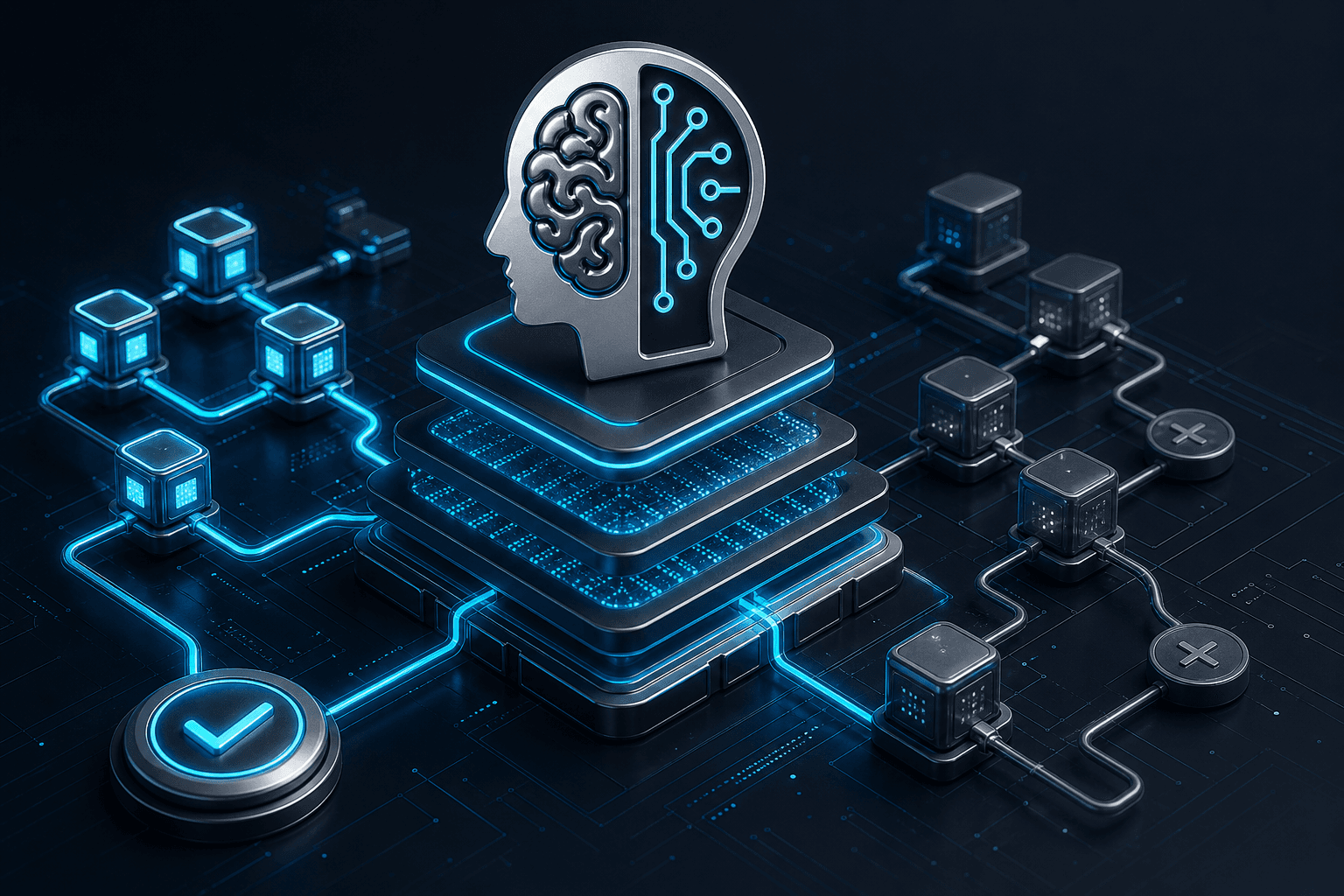
Two months of shipping the Agent Software Suite story: what we learned and what changes next
The most useful lesson from the eight-week run was that technical trust comes from clarity and honest limits more than from louder claims.
By Agent Software

News and updates
Product notes, release-readiness updates, docs changes, and staged commerce announcements for the suite.

The most useful lesson from the eight-week run was that technical trust comes from clarity and honest limits more than from louder claims.
By Agent Software

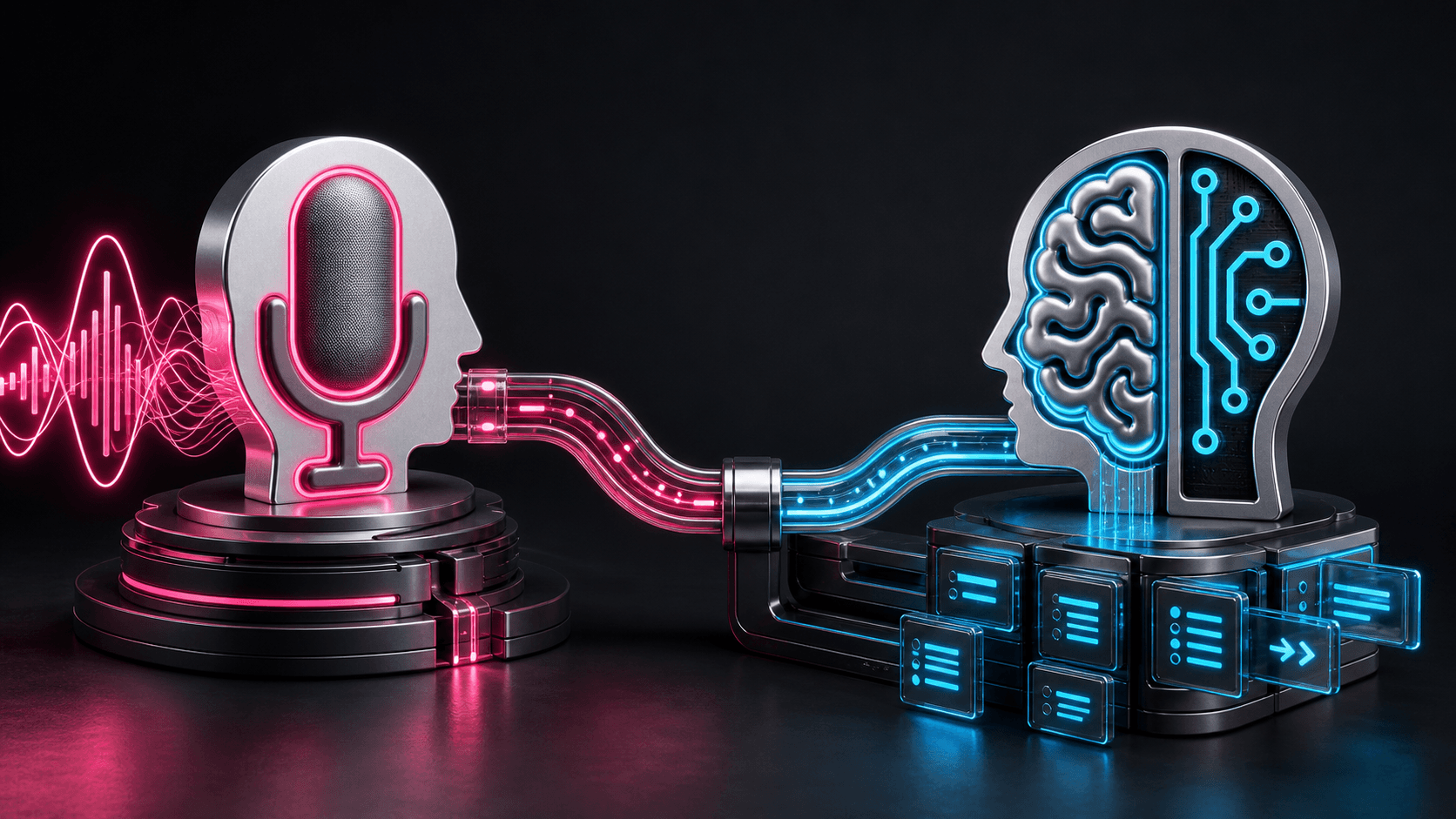
This is the current product-state view: what is live, what is in development, and what should not be overstated yet.
By Agent Software

Monoliths promise simplicity, but modular tools usually match how engineering teams actually adopt new workflow infrastructure.
By Agent Software

Fast input becomes more valuable when it does not disappear. That is the practical link between Wispr and Brain.
By Agent Software

Semantic caching is valuable when similar work repeats, but it becomes dangerous when superficial similarity hides changed requirements.
By Agent Software

Local-first is not only a privacy argument. It also affects responsiveness, cost control, and operational clarity in developer workflows.
By Agent Software

The four products are easier to understand when mapped to the actual loop: capture, remember, verify, execute.
By Agent Software

Agent memory remains unsolved around freshness, contradiction, and trust boundaries even when retrieval quality improves.
By Agent Software

Cross-tool memory gets useful only when it distinguishes durable context from stale noise and keeps retrieval tied to real workflow needs.
By Agent Software

Agent Brain helps with shared memory and semantic recall, but it does not erase stale context, ambiguity, or the need for human judgment.
By Agent Software

The suite exists because AI-assisted development breaks down when input, memory, testing, and execution live in separate, fragile islands.
By Agent Software